
Microbial - Licensed Mold Assessors
Florida Licensed Mold Assessment Professionals (MRSA) for inspection, sampling, and protocol.

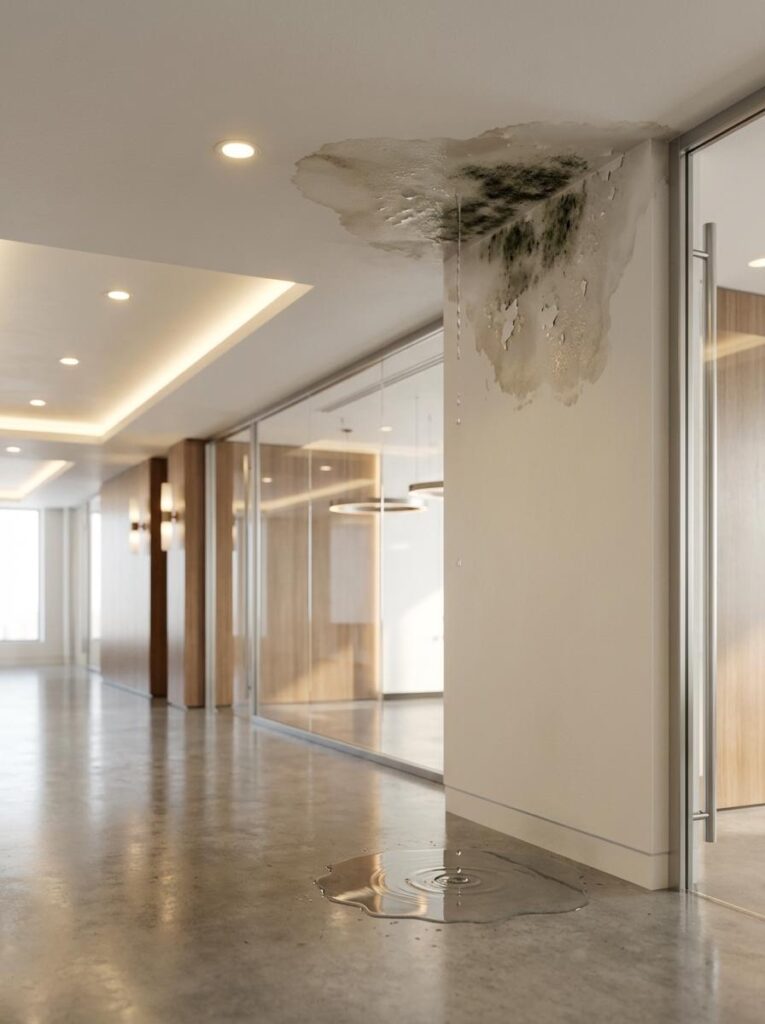
The Forensic Truth
A Cape Coral mold problem usually starts with water the surface never fully explains.
The waterfront that makes Cape Coral desirable also keeps the air heavy with moisture. Add the way Florida homes run air conditioning, and condensation finds cold surfaces inside wall cavities and around ductwork.
That is the slow, everyday source. The fast source is water intrusion: a roof breach, a failed window seal, a plumbing leak, or the storm surge and rainfall that push water into a home in hours.
The pattern that catches Cape Coral owners is the rebuild that closed too soon. After a flood or a leak, drywall goes back up before the framing and the slab are truly dry, and the mold grows behind a finished wall where no one is looking.
Vacant homes waiting on repairs do the same thing with the power off and the humidity climbing. We inspect for the moisture behind the mold, not just the surface staining.
Four elements, delivered as one independent assessment with accredited laboratory analysis.
A mold inspection in Cape Coral has an obvious suspect and a lot of hiding places. Canal-front humidity is relentless, homes sit closed up and cooled hard, and after a storm the moisture goes into the walls before anyone thinks to look.
Everest BCG inspects and tests as a licensed assessor, and because we do not sell the remediation, the finding is not shaped by the size of the cleanup it would justify.
We tell you whether there is a mold problem, where the moisture is coming from, and what the data actually shows, so the next step is based on evidence and not on a sales quote.
Visual inspection plus moisture readings show where water is now, where it has been, and whether the moisture path extends behind finished walls, around ducts, or into slab and framing assemblies.
The same veteran indoor testing team that handles asbestos, air quality, and environmental assessment across Cape Coral, Lee County, and throughout Florida.
Florida Licensed Mold Assessment Professionals (MRSA) for inspection, sampling, and protocol.
Water damage restoration-trained professionals for moisture mapping and source identification.
OSHA-trained professionals for related indoor air quality questions.
Certified professionals for older buildings where disturbed materials may contain asbestos.
Ph.D.-led, Florida PE-licensed engineers for cases where moisture has reached framing, trusses, connections, or other structural assemblies.
We are a licensed mold assessor, not a remediation company, so the assessment answers to the samples and the standard instead of a cleanup contract.
Four situations account for most of the inspections we perform.
A smell with no visible source usually means growth inside an assembly or the HVAC system. We find where.
Moisture driven into assemblies by surge, canal backup, roof breach, failed window seals, or plumbing leaks can seed growth days later.
Drywall over framing that never dried can seal moisture and mold behind a finished wall. Testing before close-up is often the cheaper answer.
Homes sitting closed, cooled hard, or waiting on repairs can build humidity quickly. A neutral inspection documents conditions before decisions harden.
Six clear checkpoints from first call to signed findings.

Call (844) 322-2946 and describe the property, the odor, visible growth, water event, rebuild status, or clearance need.
We scope the inspection before scheduling so you know what the visit is meant to answer.
We confirm affected areas, access, recent storm or plumbing history, HVAC conditions, vacancy history, and urgency.
That context keeps the inspection focused on Cape Coral's likely moisture paths.
On site, we perform visual inspection plus moisture readings to find where water is or has been.
Meters and thermal imaging help identify concealed moisture behind walls, around ductwork, under flooring, and near slab or framing assemblies.
We collect air and surface samples where the conditions warrant it.
Samples are submitted to an accredited lab so species and concentration can be confirmed.
Independent lab results are read against the building conditions documented on site.
The data is interpreted alongside canal-front humidity, HVAC condensation, storm or flood history, and whether a rebuild closed before materials were dry.
You receive a clear report of what is present, the likely source, and what the data supports as a next step.
Where remediation or clearance is involved, the findings stay independent because Everest does not sell the cleanup.
Independent, lab-verified findings put every party on the same set of facts.
Know whether there is a mold problem, where the moisture is coming from, and what the data actually shows before spending on remediation.
Closed-up units, tenant concerns, and post-storm repairs need neutral documentation that supports action without turning into a sales pitch.
An independent baseline clarifies the scope, and independent clearance verifies the space returned to normal conditions after the work.
Waterfront homes, storm histories, and recent repairs can hide moisture questions. Testing before closing turns the unknown into evidence.
When someone reports odor, symptoms, or visible growth, a neutral assessment gives owners and occupants documentation they can rely on.
A signed report with lab results, moisture findings, and independent conclusions gives every party a defensible basis for what comes next.
These are the conditions that most often bring Cape Coral owners, managers, and buyers to us.
They usually trace back to persistent humidity, HVAC condensation, storm or flood moisture, rebuild timing, vacancy, or remediation that needs independent verification.
A smell with no visible source usually means growth inside an assembly or the HVAC system. We find where.
Cold surfaces, duct sweating, oversized systems that cool without dehumidifying, and the mold that follows.
Moisture driven into assemblies by surge, canal backup, or roof breach can seed growth days later.
Drywall over framing that never dried can seal moisture and mold behind a finished wall.
Power off, humidity up, and unchecked growth in a home sitting between the loss and the repair.
Independent post-remediation testing confirms the work actually returned the space to normal.
A licensed Cape Coral assessor, independent testing, and a report that reflects the evidence instead of a cleanup quote. That is the mold inspection to get.


