Florida Structural Engineering
Structural Damage Assessment in Florida: What Property Owners Need to Know
Cracking, movement, storm damage, and water intrusion can leave property owners wondering whether the problem is cosmetic or a sign of something happening deeper within the structure. A structural damage assessment helps turn those visible warning signs into engineering answers.
Cracks in walls, uneven floors, doors that suddenly stop closing properly, or visible damage after a storm can all raise the same question: is this cosmetic damage, or is something happening to the structure itself?
A structural damage assessment in Florida can help answer that question. Rather than simply documenting what can be seen at the surface, the assessment evaluates how affected building components are performing, whether observed damage points to a larger structural concern, and what additional investigation or action may be appropriate.
Florida properties face a particularly demanding environment. Hurricanes, high winds, heavy rain, water intrusion, coastal exposure, settlement, aging materials, and previous alterations can all affect how a structure performs over time. Everest Building Consulting Group’s structural engineering services evaluate those conditions with an engineering focus rather than simply treating visible symptoms.
A structural damage assessment is generally appropriate when a property shows significant or worsening cracking, movement, sagging, storm or impact damage, foundation concerns, or deterioration that may involve structural components. The goal is to determine what the observed conditions mean, not simply record that they exist.

What Is a Structural Damage Assessment?
A structural damage assessment is an evaluation of a building’s structural components and existing conditions to identify damage, deficiencies, deterioration, or signs of structural distress.
Depending on the property and the issue being investigated, the assessment may consider foundations and slabs, load-bearing walls, beams and columns, roof framing, floor systems, structural connections, exterior walls, masonry, concrete, and areas affected by wind, water, impact, or other damage.
The key distinction: the purpose is not simply to find a crack, stain, sag, or damaged component. The assessment asks what that condition may indicate about the way the structure is behaving.
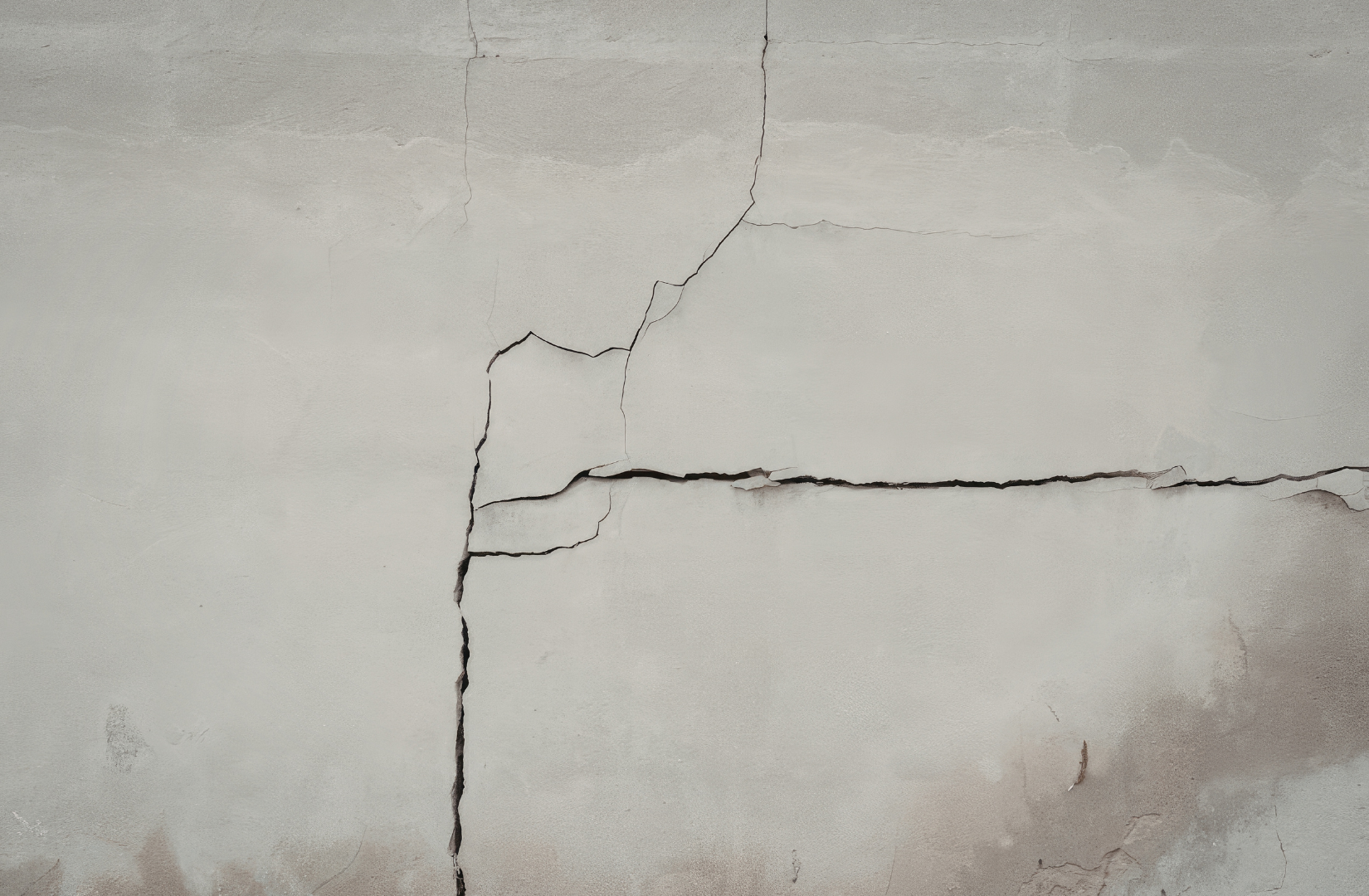
A visible crack is a good example. Some cracks result from normal material behavior or minor movement. Others may be associated with settlement, movement between structural components, deterioration, loading conditions, or another issue that deserves further investigation. The visible crack is evidence. The engineering question is what caused it and whether it matters structurally.
Signs You May Need a Structural Damage Assessment
Not every cosmetic defect requires an engineer. Certain conditions deserve more attention when they appear suddenly, continue changing, occur together, or follow a damaging event.
Cracks in Walls, Slabs, or Foundations
Location, direction, width, pattern, and progression all matter. Recurring, expanding, displaced, or unusual cracking may justify closer evaluation.
Uneven or Sloping Floors
Noticeable sagging, sloping, or changes between areas can be related to foundations, framing, floor systems, or supporting components.
Doors or Windows Begin Sticking
One sticking door may mean very little. Multiple openings changing alongside cracking or movement may point to a broader condition.
Sagging Roof or Ceiling Areas
Visible deflection may be associated with deterioration, framing damage, excessive loading, connection problems, or other structural conditions.
Storm or Impact Damage
Hurricanes, high winds, falling trees, vehicles, and debris can affect the load path even when the building remains standing.
Water or Moisture Damage
Long-term moisture can contribute to wood decay, corrosion, material deterioration, and damage inside assemblies that are not readily visible.
Common Causes of Structural Damage in Florida
Florida’s climate and building environment create a combination of conditions that can place unusual demands on both residential and commercial structures.
Hurricanes and High Winds
Wind pressures and debris impacts can affect roof systems, exterior walls, openings, framing, and the connections that transfer loads through a building.
Water Intrusion
Roof leaks, plumbing failures, flooding, envelope problems, and wind-driven rain can expose structural materials to repeated or prolonged moisture.
Settlement and Movement
Changes beneath a building can produce movement in foundations, slabs, walls, finishes, and connected structural systems.
Corrosion
Humidity, rainfall, coastal salt exposure, and moisture intrusion can accelerate deterioration of reinforcing steel, fasteners, connectors, and other metal components.
Previous Alterations
Removed walls, altered framing, new openings, added loads, and undocumented renovations can change how an existing structure carries loads.
Age and Deterioration
Materials, connections, previous repairs, and decades of exposure can combine to create conditions that were not present when the building was constructed.
Florida’s building environment matters
Wind resistance is a major part of Florida structural design. The Florida Building Code establishes statewide building requirements, while the Florida Division of Emergency Management provides additional guidance for understanding and reducing hurricane-related risks to homes.

What Happens During a Structural Damage Assessment in Florida?
There is no single inspection checklist that fits every building. The scope depends on the property, the reported damage, the type of construction, and the event or condition being investigated.
Understand the Concern
The engineer reviews what was observed, when the condition appeared, whether it followed a storm or water event, whether it is changing, and whether repairs or alterations have already taken place.
Inspect and Document
Accessible structural components and relevant damage are inspected and documented through observations, photographs, measurements, and other appropriate field information.
Connect the Evidence
Individual defects are considered in relation to one another. A crack around a doorway, for example, may have greater significance when similar movement appears in the floor, foundation, or adjacent walls.
Develop Findings and Recommendations
The engineer determines what the available evidence supports and identifies appropriate next steps, which may include monitoring, additional investigation, repair recommendations, or engineering design.

What Is Included in a Structural Engineering Report?
When a written report is included within the scope, the final structural engineering report turns field observations into an organized record of the assessment and its conclusions.
- Property and inspection information
- Description of the reported concern or event
- Relevant observed structural conditions
- Photographic documentation
- Identified damage or structural deficiencies
- Engineering observations and conclusions
- Recommendations for further investigation when necessary
- Repair recommendations or engineering guidance when included in the scope
The deliverable depends on why the assessment was requested. A building structural deficiency report prepared to investigate cracking may not look exactly like a property damage assessment report prepared after a hurricane, flood, impact, or disputed property loss.
The important part is that the report connects the conclusions to documented conditions rather than presenting a repair recommendation without explaining the engineering basis behind it.

Structural Damage Assessment vs. Home Inspection
A general home inspection and a structural damage assessment serve different purposes. Understanding that difference can help property owners know which professional to call.
A home inspector may identify a crack and recommend additional evaluation. The structural engineer’s role is to investigate what that crack may indicate and whether the evidence points to a structural concern.
Do You Need a Structural Engineer After a Hurricane or Severe Storm?
Not every property requires a structural engineering assessment after every storm. An evaluation becomes more important when there is reason to believe structural components or the building envelope may have been affected.
- Significant roof or framing damage
- Tree, debris, or vehicle impact
- Visible movement of structural components
- New or worsening cracking
- Partial collapse or displaced framing
- Severe water intrusion
- Damage to load-bearing walls or columns
- Unexplained changes that appeared after the storm
One challenge with storm damage is that the most visually dramatic condition is not always the most structurally important one. Missing roofing material is obvious. Damage to the roof deck, framing, connections, or other portions of the load path can be much harder to identify from the ground.
Everest also provides dedicated wind damage inspections in Florida when high winds or hurricanes are the suspected cause of damage. When water has entered the building, a flood damage evaluation or moisture evaluation may also help establish how far the damage extends.
What If the Structural Damage Is Part of an Insurance Claim?
Structural damage assessments are frequently requested when damage is associated with an insurance claim, disputed repair scope, or disagreement over what caused a property condition.
In those situations, documentation becomes particularly important. An independent engineer can evaluate the property from an engineering perspective, record the relevant conditions, and develop conclusions based on the available evidence and the defined scope of the investigation.
Engineer vs. adjuster: these professionals answer different questions. An insurance adjuster evaluates the claim within the insurance process. A structural engineer evaluates the building, the observed conditions, and engineering questions involving cause, extent, and structural performance.
This distinction is also why independent evaluation can be valuable before a repair scope is finalized. The assessment establishes a technical basis for what is occurring before decisions are made about how the property should be repaired.
Why an Independent Structural Assessment Matters
When a building may have structural damage, the first question should be what the evidence shows. The repair decision comes after that.
Everest Building Consulting Group evaluates and documents building conditions but does not perform the structural repair work being evaluated. That separation helps keep the assessment focused on the condition of the building rather than on generating a larger repair project.
Start with the condition, not the repair
An engineering assessment can help identify which components appear affected, what the observed conditions may indicate, and whether additional investigation, monitoring, repair design, or another course of action is appropriate.
Related Everest Resources
Get Clear Engineering Answers
Schedule a Structural Damage Assessment in Florida
If you have discovered cracking, movement, storm damage, water-related deterioration, or another condition that may be affecting your building, Everest Building Consulting Group can evaluate the property and help determine what the evidence shows.