
Finding fungus in your home is never a welcome discovery. Florida homeowners know that our humid climate creates the perfect environment for unwanted growth. When you spot a dark patch on a wall or smell something damp, you might wonder what you are dealing with. Understanding if it’s mold or mildew is the first step to fixing the problem.
Both mold and mildew are types of fungi that thrive in moist conditions. However, they are different in how they grow, look, and impact your home. Mildew is a particular type of mold that usually remains on the surface. Mold often grows deep into materials and causes more damage.
Key Differences Between Mold vs Mildew
You can usually tell mold vs mildew by looking at their texture and color.
- Mildew typically appears as a white, gray, or yellow powder. It has a flat growth pattern and usually looks like a dusting of flour or dirt on top of a surface.
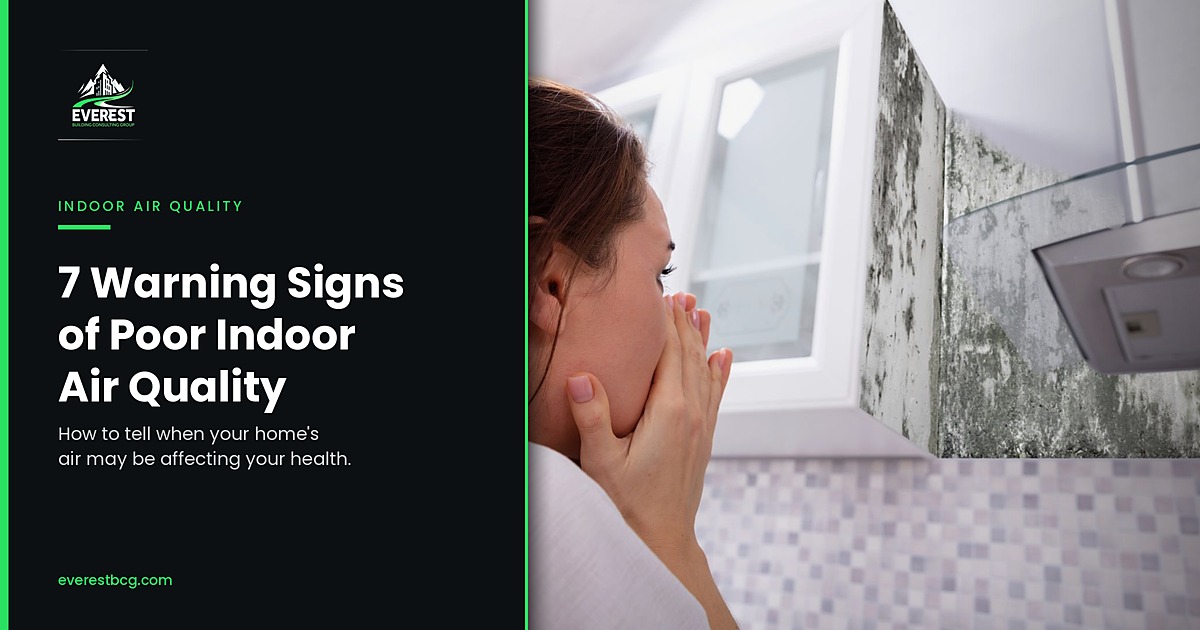
- Mold looks different and can be dark green, blue, red, or black. It is often fuzzy or slimy and can find its way deep into materials, making it harder to remove.
The smell is another clue. Mildew usually has a milder, musty smell that reminds you of damp socks or laundry that has sat wet too long. Mold has a stronger, more pungent odor. The first warning sign of mold growth is usually an earthy scent you can’t find a source for.
If you’re unable to tell them apart or suspect you have mold, our mold testing services will give you the answers you need.
Early Stage: How Mildew Grows

Mildew grows quickly in damp areas. It favors warm, humid places like bathrooms and shower stalls. Mildew typically appears first because it does not need to penetrate building materials to survive.
You might see mildew start as small spots on a damp surface. It loves moist environments with poor airflow.
It can most commonly be found:
- Shower walls and tile grout
- Window sills that constantly have condensation
- Damp towels left on the floor
If you catch mildew in its early stages, you can usually wipe it away easily and keep it from coming back with anti-microbial cleaners. Mildew is generally easier to clean than mold.
Mold Growth: Progression Beyond Mildew
Mold growth is more serious. Unlike mildew, mold grows roots (called hyphae) into porous surfaces. It eats the organic matter in your drywall, wood, or carpet.
Mold can start growing within 24 to 48 hours after moisture touches a surface. Once established, the colony expands and releases mold spores. These spores float through the air and settle on other damp spots.
Hidden mold growth is a major risk. Mold can thrive behind walls or under flooring for weeks before you see it. By the time it becomes visible, it may have caused significant structural damage. Mold typically penetrates deep into materials, while mildew grows on the surface of materials.
Types to Watch: Black Mold and Others
There are thousands of mold species, but some are more concerning than others. Common types of mold include black mold, Aspergillus, Cladosporium, and Penicillium.
Black Mold (Stachybotrys chartarum)
Black mold is one of the most talked-about types. Scientifically known as Stachybotrys chartarum, this mold is typically found on drywall, wood, or cardboard that has been wet for a long time. Black mold has a slimy or velvety texture and is dark greenish-black in color.
Toxic black mold produces mycotoxins. These can cause severe health issues. If you suspect black mold, you should not disturb it. Disturbing it releases dangerous spores into the air.
Other Common Molds
- Cladosporium: This is typically black or olive-green. It can cause allergic reactions.
- Aspergillus: This is often found in HVAC systems and dust.
- Penicillium: This mold is known to trigger allergies and asthma.
- Fusarium: This fast-growing mold usually appears pink, red, or white.
Where Mold and Mildew Are Found: Ceiling Tiles, Fabrics, HVAC

Both mold and mildew love confined spaces and high humidity. However, mold is more likely to destroy the items it grows on.
- Ceiling Tiles: Water damage from roof leaks often hits ceiling tiles first. These are porous materials that hold water like a sponge. Mold spreads rapidly here.
- HVAC Systems: Mold can grow inside HVAC vents and ductwork. It’s a perfect breeding ground for mold as it is dark, damp, and rarely disturbed. This is dangerous because the system blows mold spores into every room.
- Fabrics: Upholstery, curtains, and carpets are high-risk items. Mildew often forms on damp clothes, while mold can ruin carpets after a flood.
- Hidden Spaces: Mold grows in wall cavities, subfloors, and crawl spaces. It also loves the lint in a clothes dryer vent.
If you suspect mold in your home, contact us today for a professional mold inspection.
Health Concerns and Health Issues
The presence of mold and mildew in the home may affect your family’s health. Health concerns range from minor irritation to serious illnesses.
Mildew symptoms are usually mild. They might include coughing, a sore throat, or minor headaches. However, mold can cause more severe health issues.
Health risks associated with mold include:
- Respiratory problems and congestion
- Eye irritation and redness
- Skin irritation or rashes
- Severe reactions in sensitive individuals
People with asthma or allergies face the greatest risk. Mold exposure can lead to asthma attacks and chronic respiratory illnesses. Black mold, especially, can be dangerous for those with weakened immune systems.
If you experience persistent health problems like dizziness, fatigue, or memory loss, you should seek medical advice. Advise your doctor about the potential mold problem in your home.
Inspecting and Identifying: Signs, Tests, and Key Differences
If are dealing with mold or mildew, a visual inspection is your first step.
- Check for Color: Is it white or gray? It is likely mildew. Is it green, red, or black? It is likely mold.
- Check the Texture: Is it powdery and flat? That points to mildew. Is it fuzzy or slimy? That points to mold.
- Smell the Air: A strong, musty, earthy odor often accompanies mold in enclosed spaces.
If you are unsure, mold testing gives you a clear answer. While there are DIY kits that you can buy, they aren’t always accurate. Surface testing identifies what is growing on a material, while air testing measures the concentration of mold spores in your home. A professional mold inspector is your best bet at identifying and fixing any mold issues that you face.
At Everest Building Consulting Group, we combine forensic engineering with advanced testing to identify exactly what is happening in your building.
Mold Remediation: When to Call Pros
Mold often requires professional remediation, especially if the growth is extensive or if you suspect black mold. Removing mold from porous materials like drywall usually requires demolition. Professional mold remediation experts have the tools to contain the spores and prevent them from spreading to other rooms.
Prevention & Early Detection
Moisture control is the most effective way to prevent mold and mildew. Mold and mildew thrive in environments that stay wet.
- Improve Ventilation: Run exhaust fans in bathrooms and kitchens. This removes moisture from the air before it settles on surfaces.
- Control Humidity: Keeping indoor humidity below 50% helps prevent mold and mildew. Use dehumidifiers in damp basements.
- Fix Leaks: Address leaks and water damage immediately. Mold can start growing within 24 to 48 hours and gets harder to remove the longer it sits.
- Check Ventilation: Ensure your clothes dryer vents outside and is not clogged.
Poorly ventilated areas are magnets for growth. Stagnant air traps moisture, creating the perfect environment for mold and mildew to grow.
Early Detection Tips: Catch Mildew Mold Early
Early detection saves you money and stress.
- Schedule regular checks in damp areas like under sinks and behind toilets.
- Install moisture monitors in high-risk areas.
- Clean small spots promptly. Addressing mildew early prevents it from turning into a widespread issue.
- Look for warning signs like peeling paint or bubbling wallpaper.
Special Considerations for Ceiling Tiles and Commercial Spaces
Commercial buildings often have suspended ceilings. Ceiling tiles are highly susceptible to mold growth due to roof leaks or condensation from pipes.
There is no way to effectively clean porous ceiling tiles. If they have water damage, you must replace them. Painting over them traps the mold inside, allowing it to keep growing. Consult facilities managers immediately if you smell musty odors in office spaces.
Resources and References
If you are dealing with a severe mold problem, reliable information is vital.
Mold and mildew are manageable if you act fast. Whether it is a small patch of mildew or a larger mold issue, knowing the difference empowers you to protect your home.
If you suspect structural damage or extensive mold growth in your Florida home, we’re here to help. We provide the expert testing and reports you need to move forward with confidence. Contact us today to get started.