
Microbial - Licensed Mold Assessors
Mold assessment professionals for inspection, sampling, and protocol.

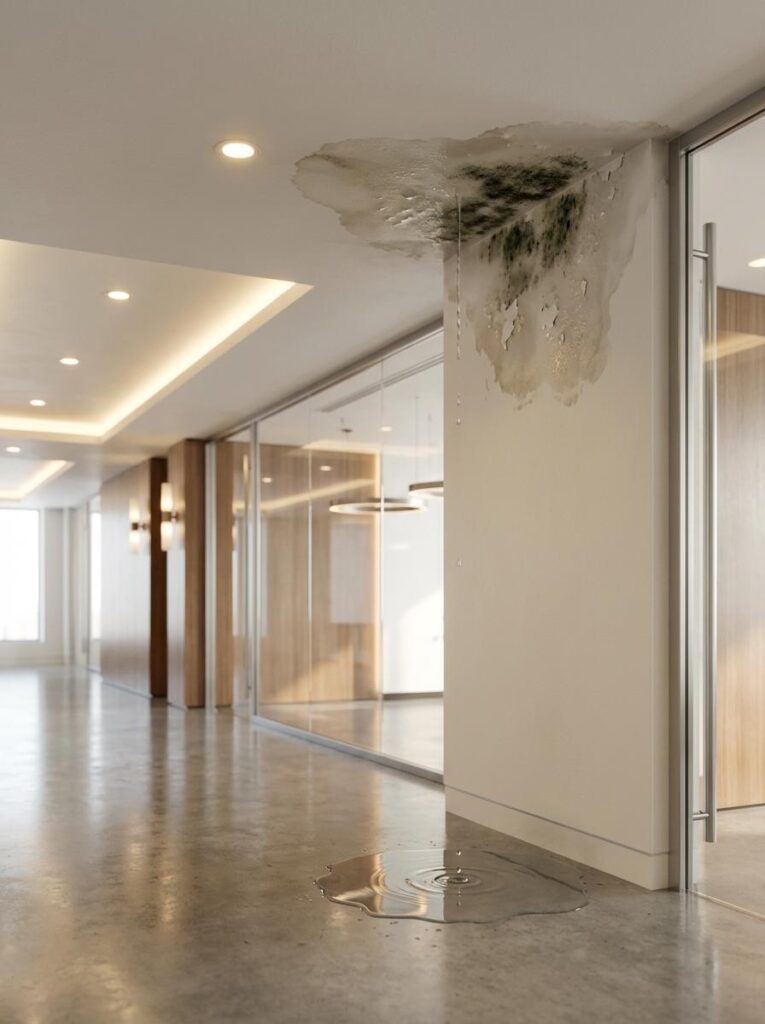
A mold inspection in Mobile connects the observed condition to its moisture history.
A Mobile home with a musty crawlspace and a separate ceiling leak may have more than one moisture source. Mapping each affected area helps keep a mold assessment focused on the building conditions, rather than treating an odor as a diagnosis.
Roof and wall leaks, plumbing problems, and condensation can create different moisture patterns. Documenting the affected rooms helps select the inspection and sampling needed for the concern.
For Mobile owners, an assessment should distinguish a recent event from earlier leaks, alterations, or gradual deterioration. Prior photographs, maintenance records, and repair invoices can help establish that sequence.
Storm-damaged homes get patched and rebuilt in a rush, and drywall goes back over framing that never fully dried, sealing mold behind the finish. Historic homes hide moisture behind original plaster, additions, and generations of repairs.
We inspect for the moisture behind the mold, not just the surface staining, which is exactly what a fast storm repair tends to skip.
If Hurricane Isaias brings water into your Mobile property, a musty odor, staining, or visible growth may become apparent after the immediate cleanup. A mold assessment can investigate accessible moisture conditions and determine whether sampling would help answer the specific concern.
You may first notice a problem when air conditioning resumes, stored belongings are moved, or a previously closed room is used again. Record those dates along with leak observations and drying work. Do not wait for visible growth to address known water intrusion; a later inspection also needs to account for any drying, cleaning, or repairs already completed.
For Mobile projects, identify whether the concern involves original construction, an addition, or a previously repaired area.
Four elements, delivered as one independent assessment with accredited laboratory analysis.
We tell you whether there is a mold problem, where the moisture is coming from, and what the data actually shows.
Because Everest BCG is an independent assessor and not a remediation company, the assessment answers to the samples and the standard, not to a cleanup contract waiting to be written.
That gives owners, managers, remediation teams, and transaction parties a clear next step based on evidence instead of a sales quote.
Visual inspection plus moisture readings show where water is or has been, including hidden moisture behind finishes, in wall cavities, around ductwork, and in storm-repaired assemblies.
The same veteran indoor testing team that handles asbestos, air quality, and environmental assessment across Mobile, Mobile County, and the surrounding area.
Mold assessment professionals for inspection, sampling, and protocol.
Water damage restoration-trained professionals for moisture mapping and source identification.
OSHA-trained professionals for related indoor air quality questions.
Certified professionals for older buildings where disturbed materials may contain asbestos.
Ph.D.-led engineering support for cases where moisture has reached framing, trusses, or coastal structural assemblies.
We assess and verify only and never bid the remediation, which keeps findings neutral and defensible.
Four common signs point to moisture that deserves independent testing.
A smell with no visible source usually means growth inside an assembly or the HVAC system. We find where.
Water driven in by a breached roof, surge, bay flooding, or a plumbing leak can seed mold behind the finish days later.
Slow roof, window, and plumbing leaks can hide behind original plaster, additions, and decades of repairs.
Independent clearance testing confirms whether the work returned the space to normal conditions.
Six clear checkpoints from first call to reported findings.

Call (844) 322-2946 and describe what you are seeing or smelling, whether that is a musty odor, visible growth, a storm repair, or an older home with a leak history.
We confirm the primary concern and gather the details needed to scope the inspection.
We confirm access, affected areas, property context, and urgency before the site visit.
That keeps the inspection focused on the conditions that need documentation.
On site, we inspect visible conditions and use moisture readings to find where water is or has been.
Moisture mapping shows whether the problem extends beyond what is visible.
We collect air and surface samples from representative locations when the conditions warrant it.
Those samples are submitted to an accredited laboratory so species and concentration can be confirmed.
Independent lab results are read against the building conditions we documented on site.
That context keeps the data tied to the moisture source, not detached from the property.
You receive a clear report of what is present, the likely source, and what the data supports as a next step.
The report reflects the evidence instead of a cleanup quote.
Independent, lab-verified findings put every party on the same set of facts.
Know whether there is a mold problem, where the moisture is coming from, and what the data supports before spending on cleanup.
Sample-level documentation supports tenant concerns, rental decisions, storm-repair follow-up, and older-building maintenance.
An independent baseline keeps the scope honest, and independent clearance proves the work returned the space to normal.
Historic homes, beach houses, and storm-repaired properties carry water histories a seller may not know. Testing before closing turns an unknown into a line item.
When someone reports odor, symptoms, or visible growth, a neutral assessment gives owners and occupants documentation they can rely on.
A signed report with lab results, moisture findings, and independent conclusions gives every party a defensible basis for what comes next.
For Mobile properties, the following scenarios illustrate questions an assessment can investigate. Each report is tied to the inspected conditions and agreed scope.
They usually trace back to coastal humidity, storm intrusion, hidden older-home leaks, rushed rebuilds, or remediation that needs independent verification.
A Mobile home with a musty crawlspace and a separate ceiling leak may have more than one moisture source. Mapping each affected area helps keep a mold assessment focused on the building conditions, rather than treating an odor as a diagnosis.
Water driven in by storm-breached roofs, surge, or bay flooding can seed growth behind the finish. We document the moisture path and what followed.
Cold surfaces, duct sweating, and oversized systems that cool without dehumidifying can feed mold. We trace the condensation and confirm the growth.
Slow roof, window, and plumbing leaks can hide behind original finishes and additions in older or altered buildings. We look behind the obvious surface.
Drywall over framing that never dried after a storm repair can seal moisture and mold behind a finished wall. We test the finished space against the hidden risk.
Independent post-remediation testing confirms whether the work actually returned the space to normal.
an independent assessor, independent testing, and a report that reflects the evidence instead of a cleanup quote. That is the mold inspection to get.


