Foundation Movement & Settlement
Visible signs of movement or differential settlement in accessible areas of the structure.

Structural Engineering Insight Before You Decide What Comes Next
Cracks, uneven floors and sticking doors can raise questions. They do not, by themselves, identify the cause or the repair needed. Everest provides PE-led foundation evaluations to help you understand the condition of your structure before making repair, purchase, sale, or maintenance decisions.
A new crack, an uneven floor or a door that no longer closes properly can leave you wondering what has changed. An evaluation helps put those observations in context.

Visible symptoms are evidence to investigate—not a diagnosis by themselves.
Tell us about any changes after water intrusion, storms, nearby construction or other events, even if you are unsure whether they are related.
Noticing a symptom is the starting point. Understanding its significance means considering the structure, the pattern of observed conditions and the available history together.
A structural engineering foundation evaluation helps address the questions that shape your next decision. Some answers may require monitoring or additional investigation.

Your concerns help guide the evaluation. Depending on the property, access and agreed scope, Everest reviews:
Visible signs of movement or differential settlement in accessible areas of the structure.
The location, direction, extent and distribution of observed foundation, slab and wall cracking.
Observed sloping, unevenness, separation and other conditions that may relate to movement.
Changes in alignment or operation that may relate to structural movement.
Visible cracking, separation, displacement and other exterior concerns.
Accessible evidence and available documentation of previous foundation or structural repairs.
Visible grading, drainage, moisture and site conditions relevant to the evaluation.
Other accessible conditions that may help explain the structure’s overall behavior.
A visual evaluation is limited to visible and accessible conditions. Concealed or below-ground conditions may require additional investigation; the findings will identify relevant limitations and recommended follow-up.
Share the property address and describe the cracks, movement, uneven floors or other concerns. Include photos and available history.
Everest conducts a PE-led structural evaluation of the relevant accessible areas and conditions.
Receive a written engineering report explaining the observations, findings and recommended next steps.
Homeowners, property owners, buyers, sellers, HOAs and property managers may need an engineering opinion at different stages. You can start with a concern—you do not need to arrive with a diagnosis.
Tell the team about purchase, sale or other decision deadlines when you request an evaluation.
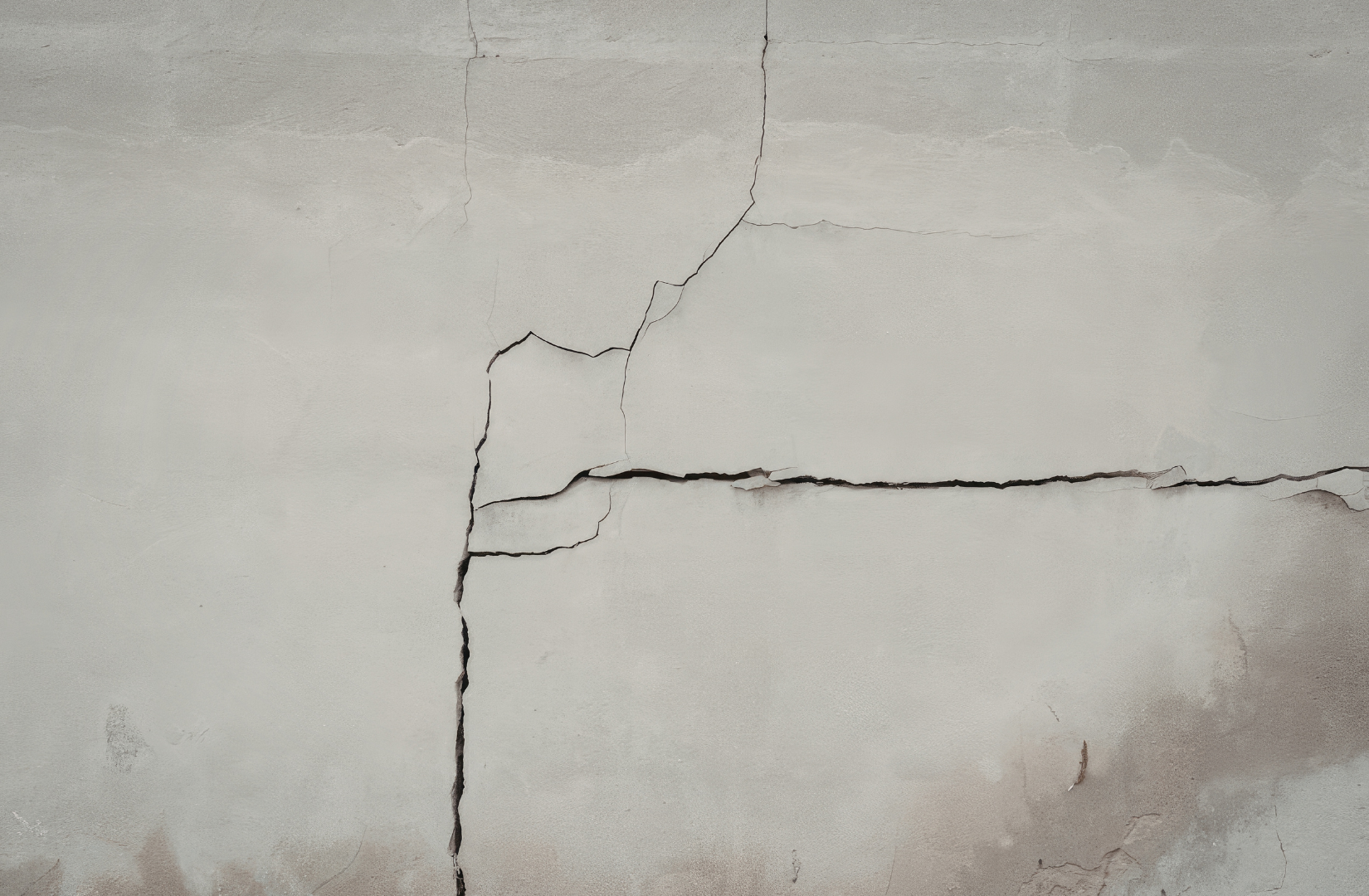
Everest evaluates the structure and provides professional engineering findings. Everest does not perform foundation repairs.
The goal is to understand what the evidence supports, then determine the appropriate course of action for the property.
Your report documents the observed conditions, engineering findings, and recommended next steps.


Structural Practice Leader
Dr. Yasir Al-Lebban holds a Ph.D. in Structural Engineering and is a licensed Professional Engineer. His structural and forensic engineering experience includes evaluating foundation movement and structural damage throughout Florida and the southeastern United States.
Cracking in foundations, slabs or walls; uneven floors; sticking doors or windows; and gaps or separation can warrant evaluation. Tell Everest when you first noticed the concerns, whether they are changing, and whether there have been drainage problems, storms, nearby construction or previous repairs.
No. A crack alone does not establish the cause or severity of a condition. Its location, pattern, extent and relationship to other observations help an engineer assess what it may indicate.
A structural engineer can evaluate the observed conditions and recommend repairs when the findings support them. In some cases, monitoring, testing, records, or additional investigation may be needed before a repair recommendation can be made.
No. Everest provides independent engineering evaluations, findings and recommendations. Everest does not perform foundation repairs.
The agreed scope includes a PE-led evaluation of relevant visible and accessible conditions, engineering analysis, and a written report with findings and recommendations. The areas reviewed depend on the property, access and reported concerns. Any need for further investigation is identified where appropriate.
Yes. You receive a written engineering report documenting the observations, findings, relevant limitations and recommended next steps. Confirm the scope, fee and expected delivery date with Everest for your property.
Yes. This service is for property owners, buyers, sellers, HOAs and property managers who want to understand a foundation concern, whether or not they have spoken with a repair contractor. Share the property address and what you are seeing.
If you want an engineer to evaluate a proposed repair scope before committing, learn about Everest’s Foundation Repair Second Opinion service. Share the proposal and supporting documents so the team can understand the work being recommended.
You do not need to know what is causing the problem before calling Everest. Tell the team what you are seeing. An evaluation can help determine what the evidence supports and what should happen next.