Florida Mold & Moisture
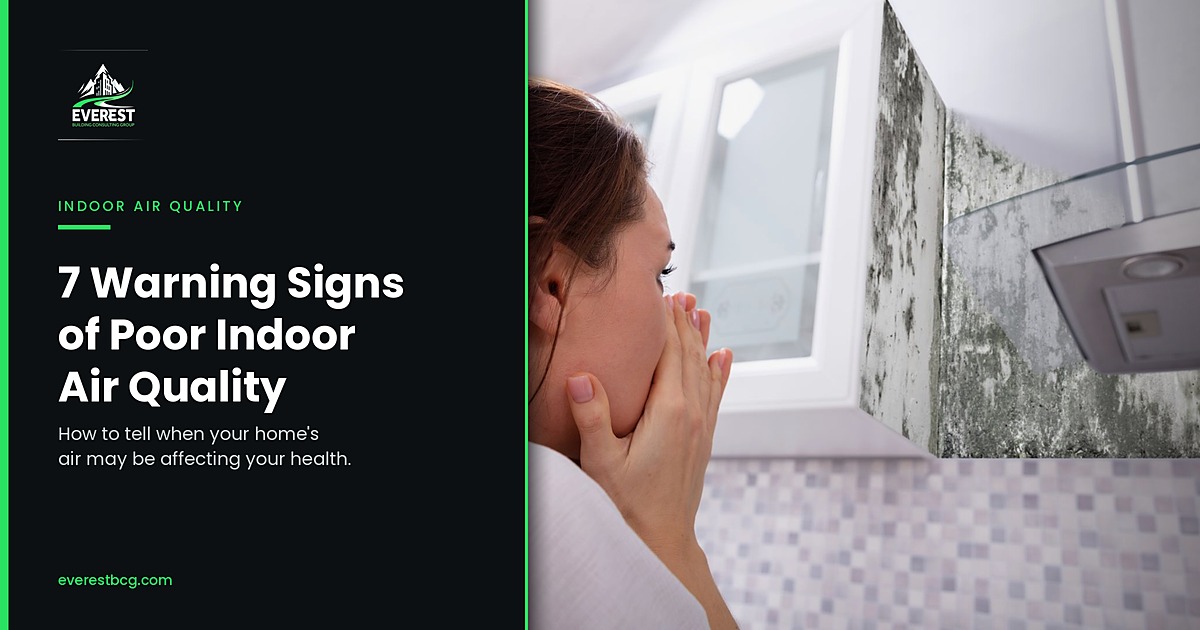
7 Signs of Mold in Your House Florida Homeowners Should Know
Water stains, discoloration around air vents, musty odors, and elevated humidity can all be warning signs of a moisture problem. In Florida’s humid climate, knowing what to look for can help you decide when it is time for a professional mold assessment.
Florida homeowners are used to heat, humidity, afternoon thunderstorms, and periods of heavy rain. However, all of that moisture can also create conditions that allow mold to grow when water makes its way into a home.
Knowing the signs of mold in your house can help you recognize when something deserves a closer look. Sometimes the warning is obvious. Other times, it may be nothing more than a water stain, a musty smell, or discoloration forming around an air-conditioning vent.
Mold requires moisture to grow. Roof leaks, plumbing problems, condensation, HVAC issues, flooding, and elevated indoor humidity can all introduce or maintain moisture inside a building. When something does not look, smell, or feel right, an independent mold inspection and testing can help provide answers.
Quick Answer
Common signs of a potential mold or moisture problem include water stains, visible growth or discoloration, musty odors, condensation, elevated indoor humidity, peeling or bubbling materials, and a history of leaks or water intrusion. Allergy-like symptoms that seem worse indoors may also give you another reason to investigate your indoor environment.

1. Water Stains on Your Walls or Ceiling
A water stain may look like nothing more than an unattractive spot on a ceiling or wall. However, it also tells you something important: moisture has been present where it should not be.
Yellow, brown, or irregular discoloration can develop after a roof leak, plumbing leak, condensation problem, or another source of water intrusion. Pay particular attention to stains that appear or become larger following periods of heavy Florida rain.
The visible stain may also be only part of the affected area. Water can move through roofing materials, insulation, drywall, framing, and other building materials before becoming visible inside the home.

2. Mold or Discoloration Around AC Vents
Air conditioning is essential in Florida, and your HVAC system also plays an important role in controlling indoor moisture. That makes AC vents and the areas surrounding them worth watching.
Black, green, brown, or unusual discoloration around a vent should not automatically be assumed to be mold. However, recurring discoloration can be a reason to investigate what is happening in that area.
Condensation can occur when Florida’s warm, humid air comes into contact with colder surfaces. HVAC drainage issues, insulation problems, air leaks, and other conditions may also contribute to unwanted moisture around vents or air-handling equipment.
Don’t just cover the stain: cleaning or painting over visible discoloration does not explain why moisture appeared there. Identifying the moisture source is an important part of understanding the condition.
3. A Persistent Musty Smell
Sometimes you may notice a potential moisture problem before you ever see one.
A persistent musty or earthy odor can be one of the signs of mold in a house, particularly when the smell repeatedly appears in the same room or area.
You might notice the odor when entering a bedroom, opening a closet, walking near an AC vent, or returning home after being away. If the smell continues to return, covering it with an air freshener does not address the underlying cause.
4. Your Home Feels More Humid Than Normal
Humidity is a fact of life in Florida. Inside your home, however, persistent elevated humidity can create an environment where moisture-related problems are more likely to develop.
Your air-conditioning system normally removes moisture from indoor air as it cools the home. If the property suddenly feels unusually humid, surfaces remain damp, or condensation frequently develops on windows, vents, or other surfaces, there may be an underlying issue worth investigating.
Mold does not require a major flood
A hurricane, burst pipe, or major roof leak can create obvious water damage. However, persistent condensation, smaller leaks, and elevated indoor humidity can also provide the moisture mold needs to grow.

5. Peeling Paint, Bubbling Drywall, or Visible Growth
Walls and ceilings can provide clues about moisture that may be present behind the finished surface.
Peeling paint, bubbling surfaces, warped materials, soft drywall, staining, or unexplained changes in texture can sometimes indicate that an area is or was exposed to moisture.
Visible spotting or growth deserves attention as well. Color alone cannot reliably identify exactly what is growing on a surface. Professional evaluation and testing can provide better information when identification or documentation is needed.
6. Your Home Recently Had a Leak or Water Intrusion
Did your roof leak during a storm? Did a pipe fail? Did an AC drain line back up? Was part of the property affected by flooding or wind-driven rain?
Even when the visible water is gone, understanding what happened to the affected materials matters. Water can enter wall cavities, insulation, flooring systems, cabinetry, and other areas that may not be easy to inspect from the surface.
If you are unsure whether an area dried properly or how far moisture traveled, a professional moisture evaluation can help provide a clearer picture of the affected conditions.
7. You’re Experiencing Unexplained Allergy-Like Symptoms Indoors
Have you noticed that you are sneezing more frequently at home? Are you experiencing nasal irritation, coughing, watery eyes, or other allergy-like symptoms that seem more noticeable indoors?
People who are sensitive to mold may experience allergic or irritant reactions. However, symptoms alone cannot determine whether mold is present or whether mold is causing those symptoms.
Instead, consider what else you are noticing around the property. Symptoms occurring alongside water stains, musty odors, visible growth, excessive humidity, or a recent water event may give you another reason to investigate your indoor environment.
Anyone experiencing persistent or concerning health symptoms should speak with a qualified healthcare provider.

When Should You Consider Mold Testing?
Not every stain, smell, or spot means your Florida home has a mold problem. However, there are situations where you may simply want a clearer answer about what is happening inside your property.
- You have discovered unexplained water stains
- You see recurring discoloration around AC vents
- There is a persistent musty odor
- You have found suspected visible mold growth
- Your home recently experienced a roof or plumbing leak
- The property feels unusually humid or has recurring condensation
- You want peace of mind about your indoor environment
Everest Building Consulting Group provides Peace of Mind Mold Testing for Florida homeowners and property owners who want to better understand their indoor environment.
Our team can evaluate areas of concern, document relevant moisture conditions, and perform professional mold testing when appropriate. Because Everest is an independent building consulting firm and does not perform mold remediation, our role is to evaluate and document the condition rather than sell you the cleanup.
Seeing something suspicious? You do not have to guess whether that stain, odor, or discoloration deserves attention. Everest can help you understand what is happening and determine the appropriate next step.
Related Everest Resources
Get Peace of Mind
Schedule Mold Testing in Florida
Seeing water stains, suspicious growth, discoloration around an AC vent, or other signs of mold in your house? Everest Building Consulting Group can help you get answers with professional, independent mold inspection and testing.